
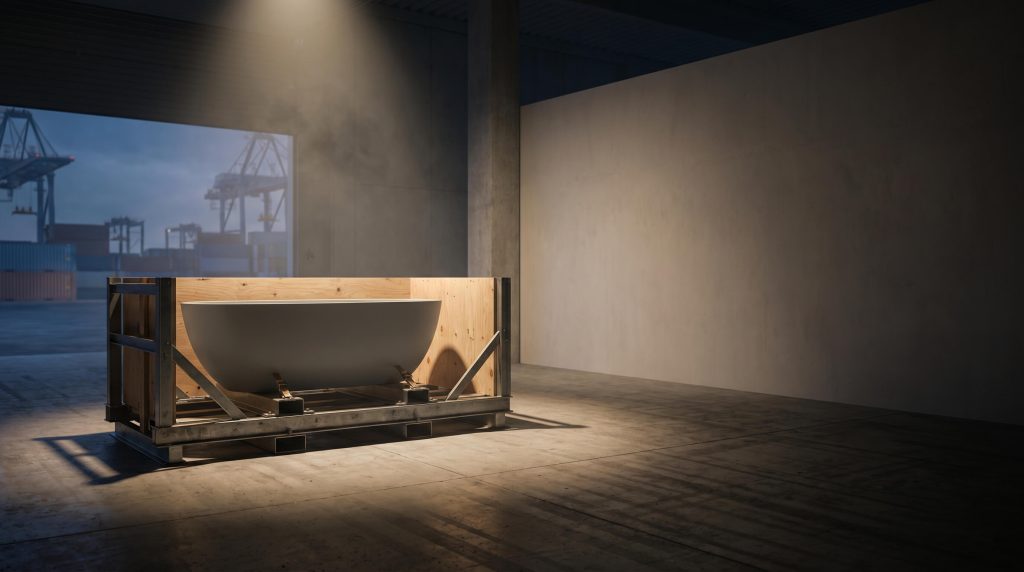
Sourcing heavy sanitary ware is a high-stakes game. Bathtubs are bulky, fragile, and incredibly expensive to ship. If you choose the wrong material or factory, your profit margins will be destroyed by freight costs and transit damage. A bathtub is no longer just a bathroom necessity; it is a luxury centerpiece. Your buyers expect flawless quality, whether they are outfitting a high-end hotel or a modern home. If you want to protect your enterprise from dead inventory, you must understand the exact materials and structural logistics of sourcing bathtubs from China.
Demystifying Bathtub Materials for Global Importers
You cannot build a profitable product catalog if you do not know the exact lifespan and freight risks of your raw materials. Here is the executive breakdown of the three primary bathtub categories:
-
Acrylic (The High-Margin Mainstream): Acrylic dominates the market due to its excellent heat retention, massive variety of shapes, and lightweight cost-effectiveness for shipping. However, low-grade acrylic turns yellow within five years. Demand premium acrylic from your factory to ensure a decade of durability.
-
Cast Iron (The Lifetime Investment): Cast iron bathtubs with ceramic glazing are indestructible, never discolor, and are effortless to clean. Most premium independent cast iron tubs are manufactured in Taizhou, China. They are expensive and incredibly heavy, but they offer the highest lifetime value.
-
Artificial Stone (The Luxury Standard): Made from aluminum powder, resin, and fiber, these tubs offer a premium matte texture and zero deformation. They are the top choice for luxury hotels. However, they can weigh up to 400 kilograms, making freight calculation critical.
Strategic Placement and Space Planning
You cannot import bathtubs blindly without understanding your target market’s bathroom layouts. The placement dictates the exact style and faucet configuration you need to source.
-
Freestanding (Independent): The ultimate luxury statement for spacious bathrooms. If you import these, you must also source complementary floor-mounted or wall-mounted faucets. Cast iron and artificial stone are the mandatory materials here for a high-end look.
-
Corner Placement: The most space-efficient layout for smaller urban homes. You should exclusively source acrylic for corner tubs, as factories can mold them into highly efficient, ultra-compact shapes.
-
Built-in (Embedded): The easiest to clean because it eliminates gaps between the tub and the wall. If your buyers are contractors, built-in tubs require them to build framing in advance, meaning you must provide exact, flawless dimensional specs before shipping.
The Reality of Shipping Heavy Sanitary Ware
You can negotiate a fantastic factory price on a beautiful artificial stone bathtub, but if you do not control the freight, you will lose money. Shipping 400kg cast iron or stone bathtubs requires expert container loading. If the factory packs the container poorly, the weight distribution will cause catastrophic cracking during ocean transit. You need a logistics partner who oversees the loading process and calculates the exact volumetric weight before the container doors are sealed.
The Ultimate Sourcing Verdict
Building a profitable sanitary ware catalog requires balancing high-margin acrylics with high-ticket, luxury stone and iron models. Always match the material to your buyer’s budget and their physical ability to move 400kg fixtures into their buildings. Take command of your product quality and your container space today. Protect your heavy shipments from the factory floor to the final destination. Stop guessing about logistics. Get a Free Sourcing Quote from Huasourcing today.